Knowledge Hub
Plain-language guides to the questions that come before and after buying a jump starter: how to choose one, how to use it safely, what to check when it does not work, and how compressors, power banks and lights really behave.
Choosing and Using
Start here: how to match a jump starter to your engine, how to use one safely, and what to check when it does not work.

How to Choose a Jump Starter
Match the engine size, read peak and starting amps, check watt hours and cold limits, and decide whether you need a compressor.

How to Use a Jump Starter Safely
Clamp order, boost and override warnings, start limits, cold and heat rules, storage and what to avoid, from the manuals we read.
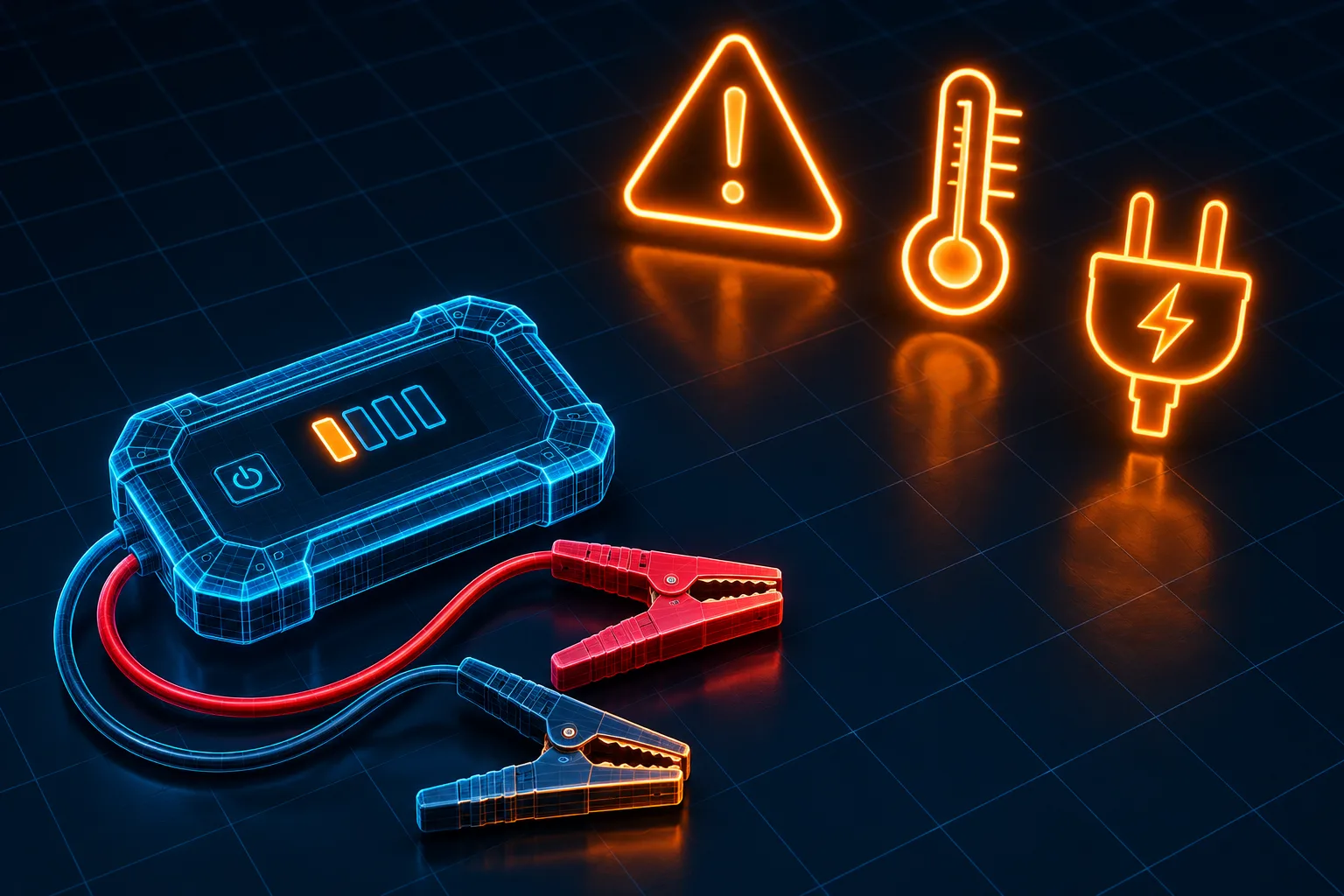
Jump Starter Not Working: What to Check
Check the unit’s charge, the clamp connection, temperature protection and start counts before you blame the unit.
Jump Starting Step by Step
The procedure, the care a unit needs between uses, what the manual actually says and whether a jump can harm your car.

How to Jump Start a Car: Step by Step
The connection order, the final clamp on bare metal, what to do after the engine starts and when to stop.
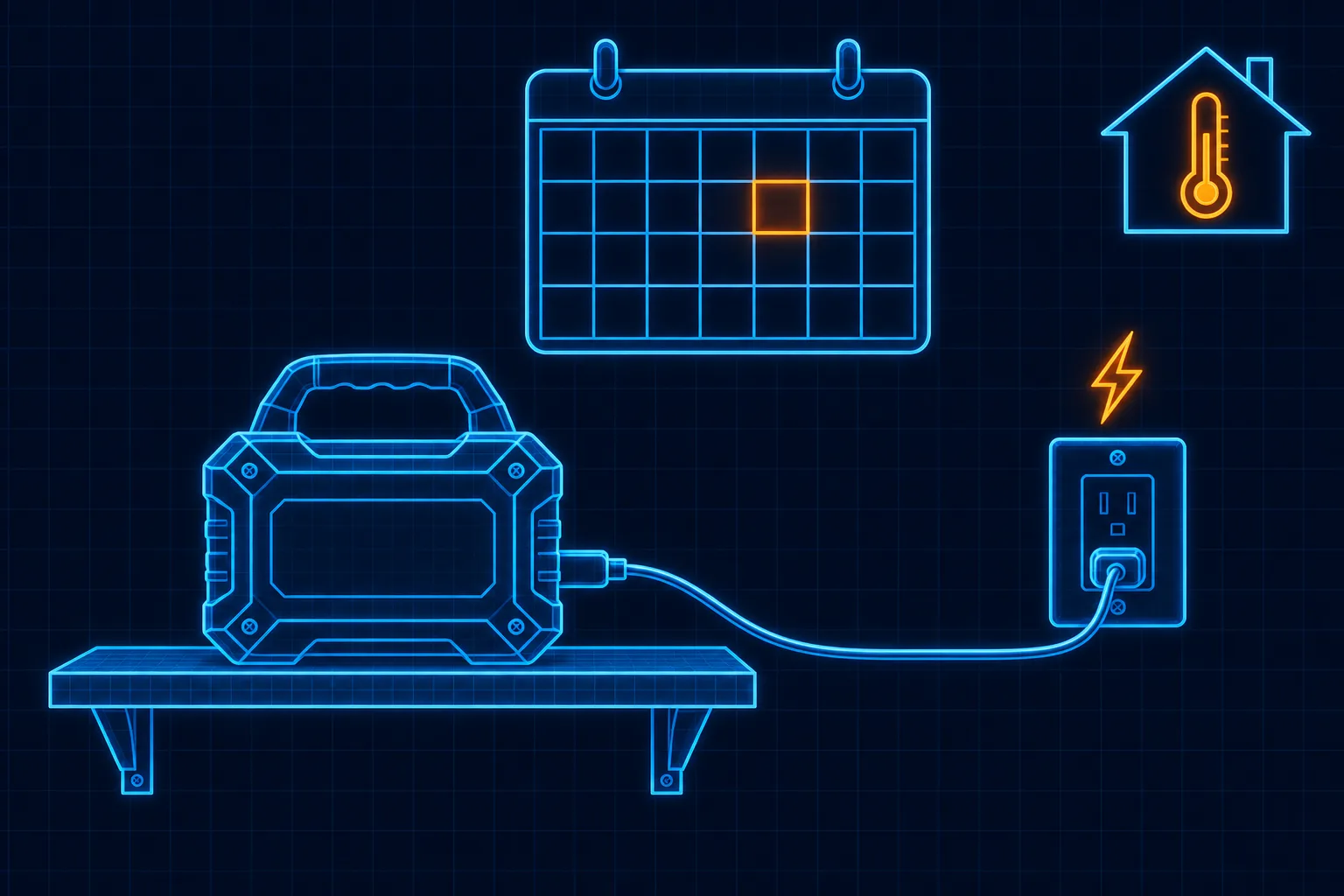
How to Store and Recharge a Jump Starter
Recharge intervals, temperature limits, charging times and a simple routine, from the maker manuals.

Can a Jump Starter Damage the Battery or the Car’s Electrical System?
What the sources say about reversed clamps, surges, override buttons and what we could not verify.

How to Read a Jump Starter Manual
The sections that matter, the limits to look for and the warnings people skip.
Your Car’s Battery
Why batteries die, how to tell what is wrong when a car will not start, how a battery is tested and what the labels mean.
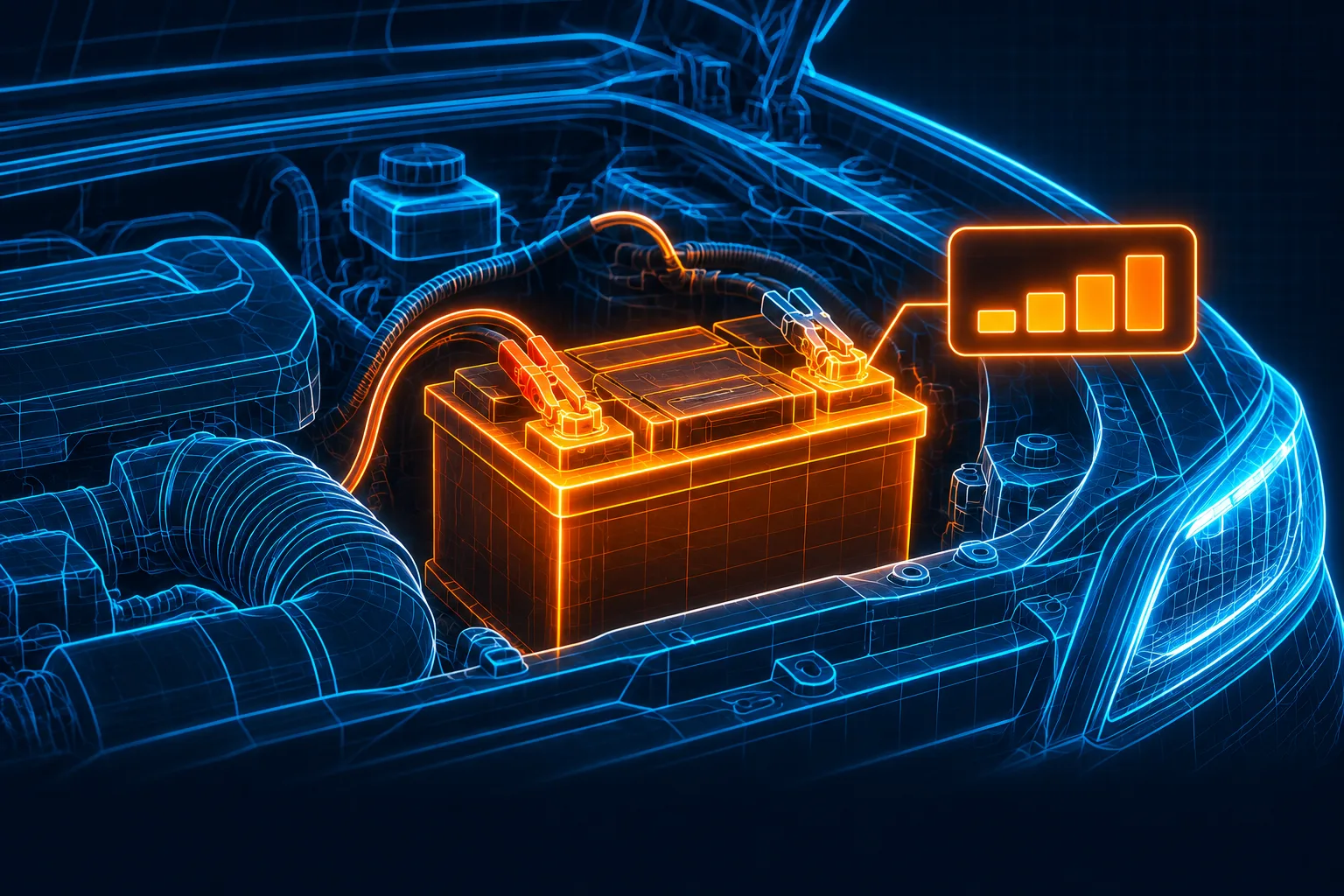
Why Does a Car Battery Die?
Age, heat, cold, short trips, parasitic drain and left-on lights, and how to find your cause.
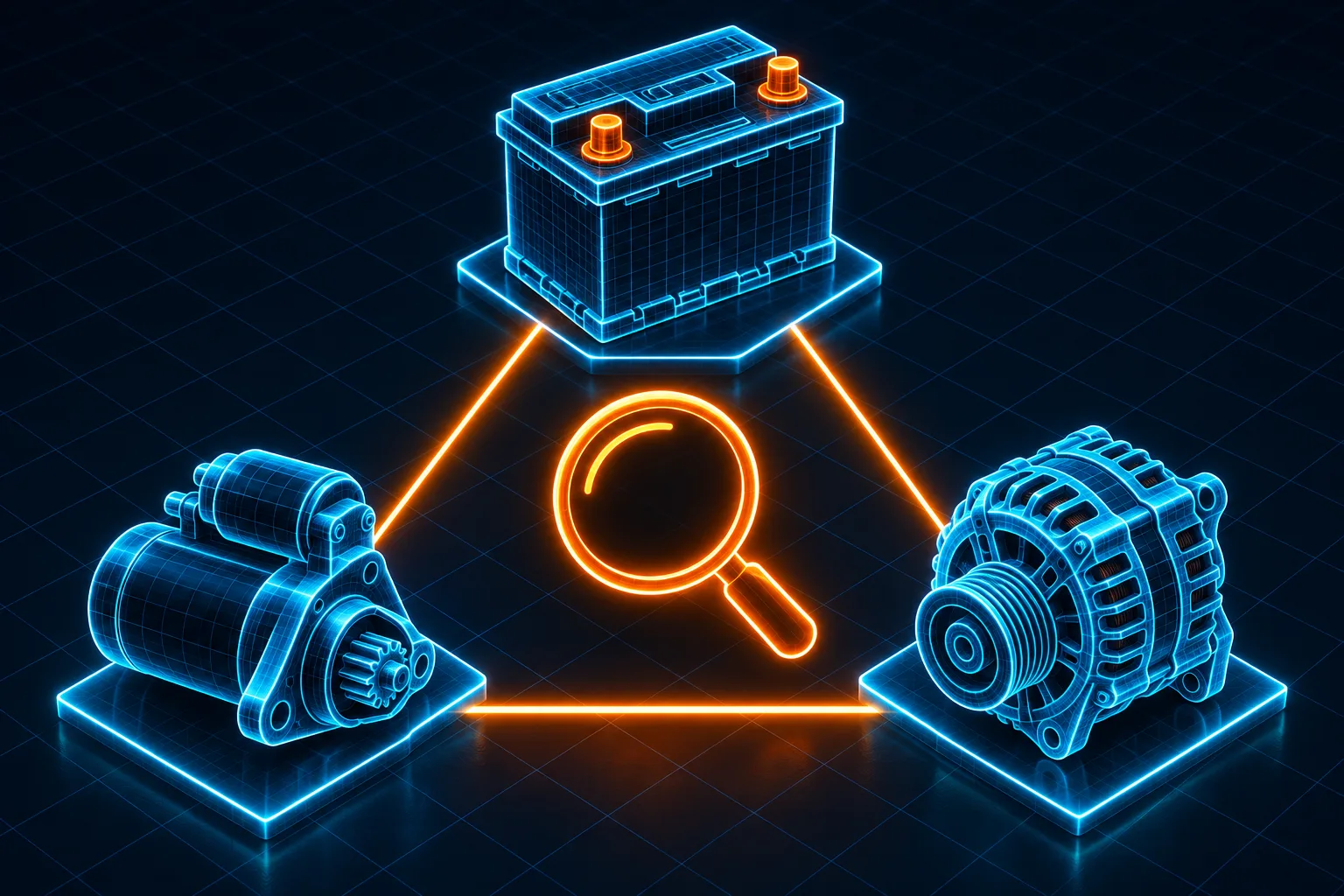
Car Won’t Start: Battery, Starter or Alternator?
What the clicks, cranks and silence mean, and what to check before you pay for a part.
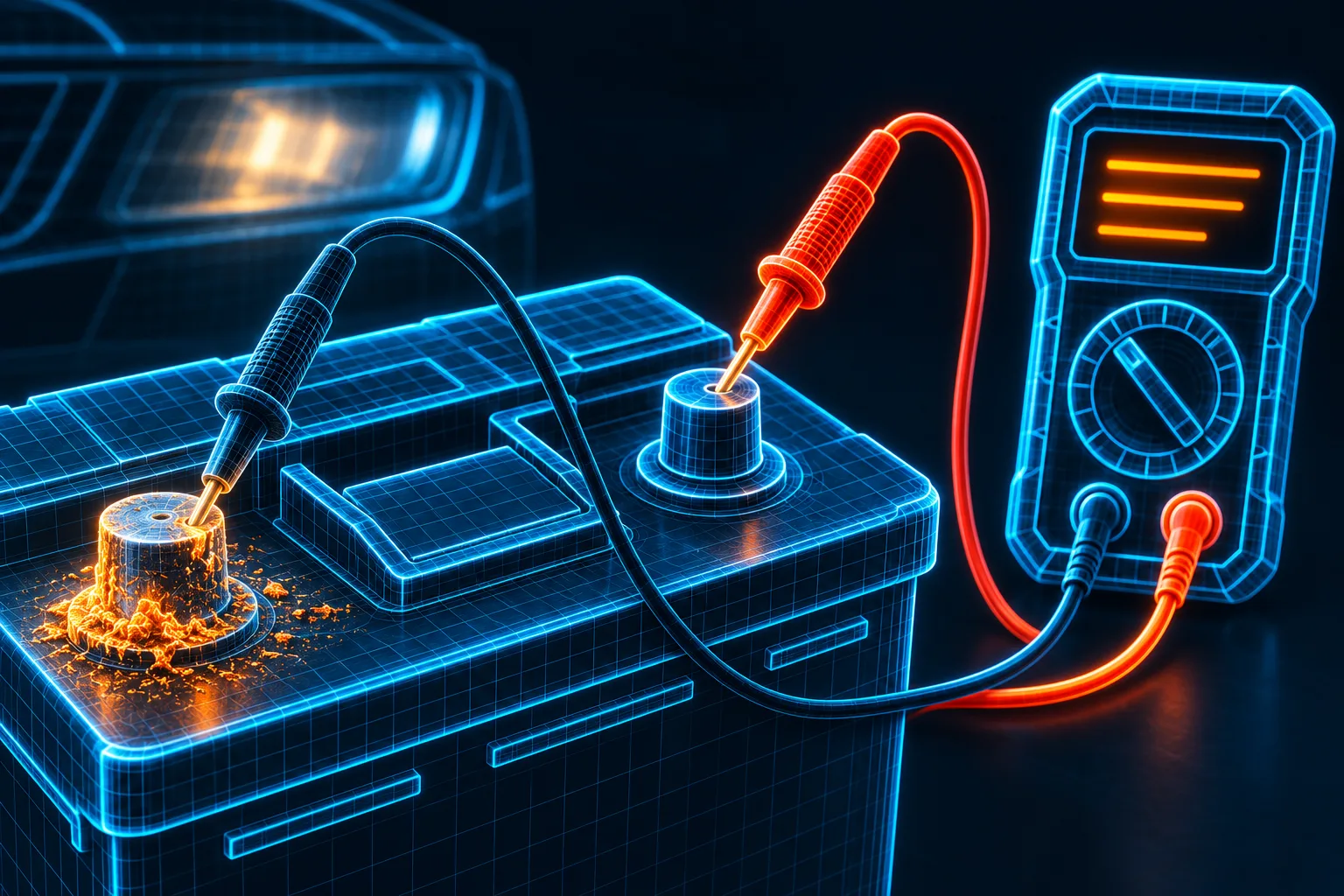
Signs Your Car Battery Is Failing
The warning signs, how voltage, load and conductance tests work and when to replace.

Car Battery Types: Flooded, EFB and AGM
What the three types are, how they differ and why it matters for charging and jump starting.

Cold Cranking Amps Explained
What CCA means, how it is tested and why it is not the same as a jump starter’s peak amps.
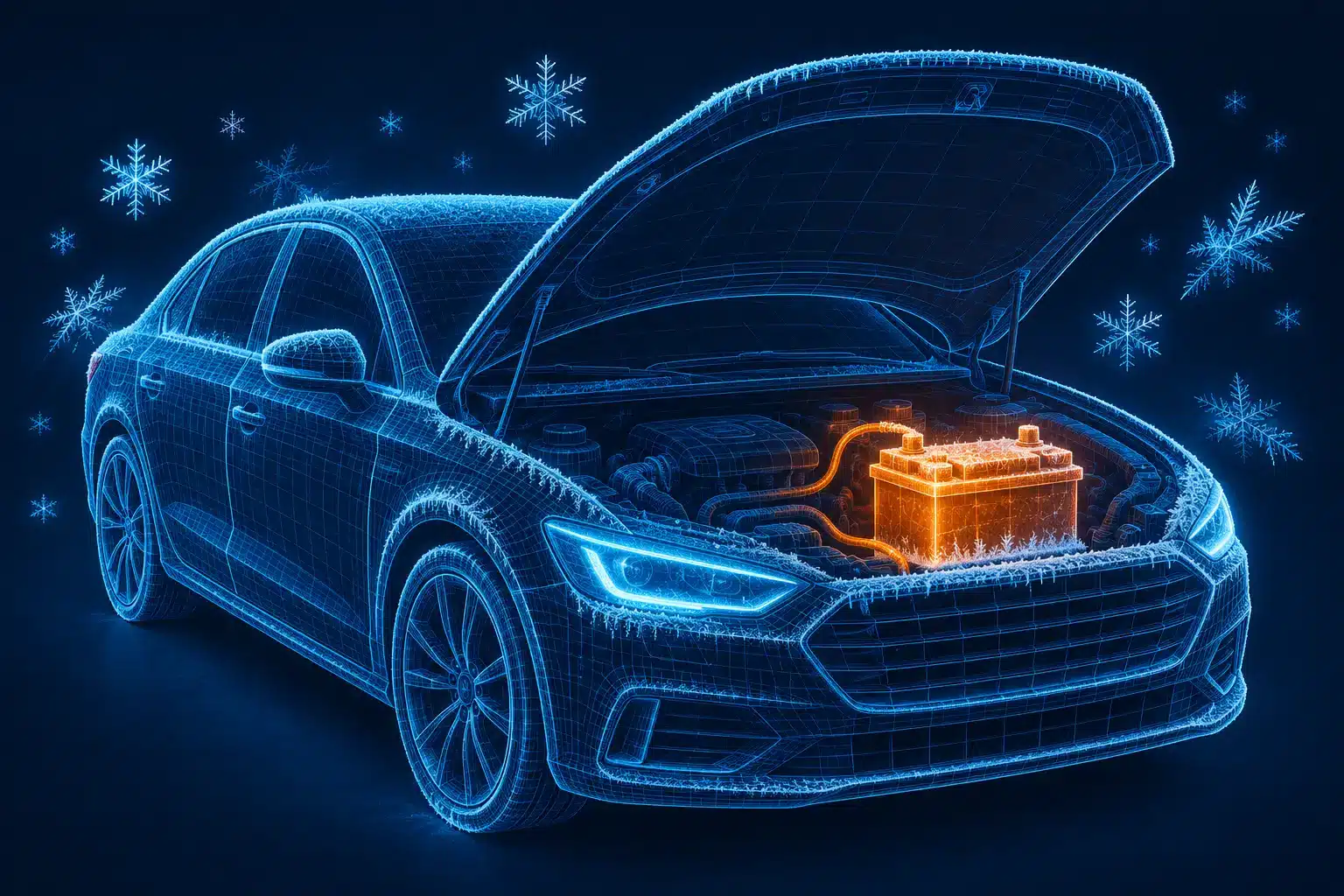
Why Do Car Batteries Die in Winter?
What cold does to the battery, how each type behaves, what the warranty covers and when a jump starter is worth having.
Extras Explained
What the compressor, power bank and light specifications on the box actually mean.
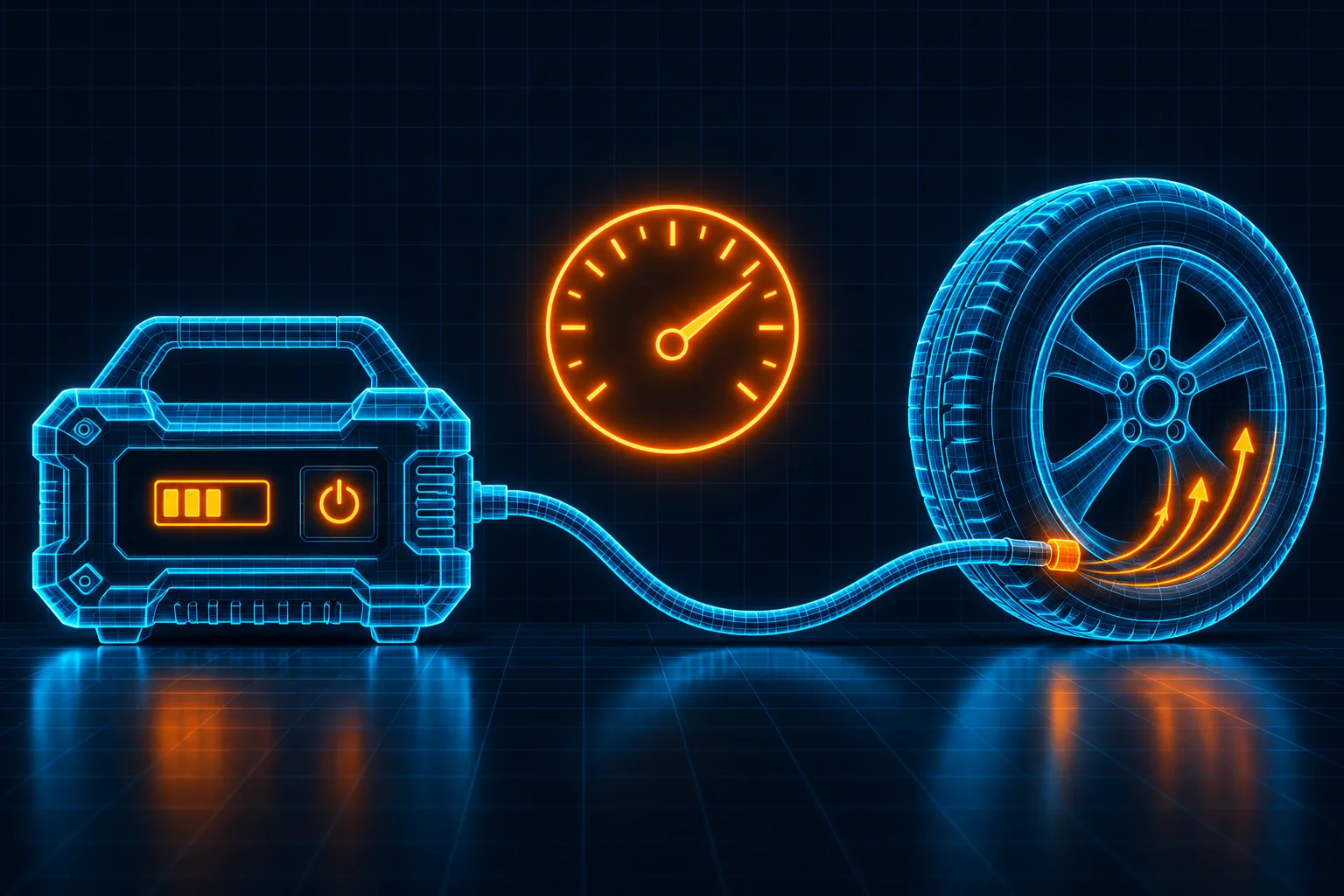
Jump Starter Air Compressors: PSI, Flow and Limits
What PSI and liters per minute mean, how the battery limits inflating and what real reports show.

Jump Starter Power Banks, USB-C and Emergency Lights
USB-C watts, laptop charging, lumens and light modes, and what each unit we cover lists.
How the Technology Works
The electricity, the lithium cells and the ratings behind a jump starter, plus a glossary of every term on the box.
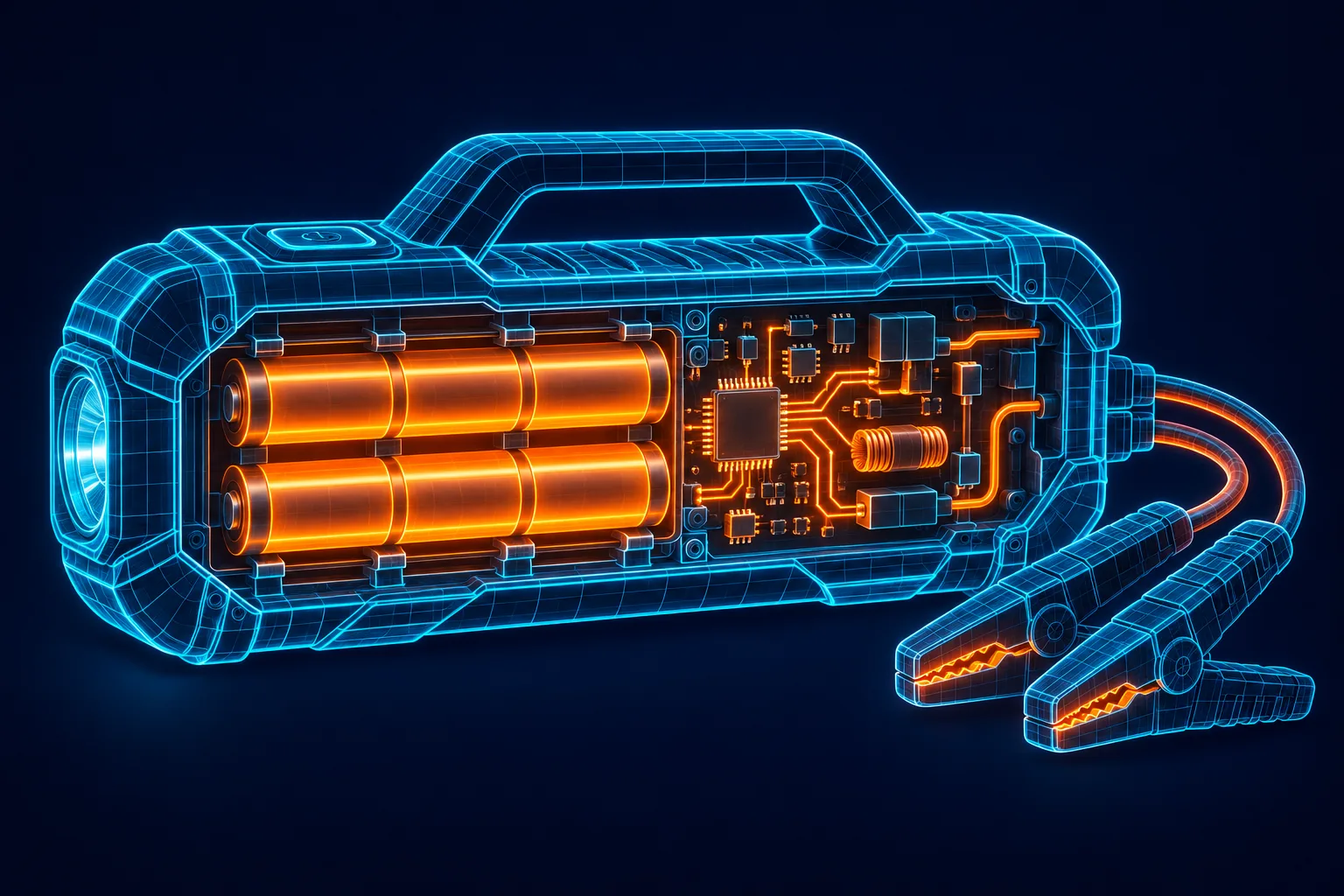
How a Lithium Jump Starter Works
Cells, control board and protections, what each protection stops and what none of them can.

Volts, Amps and Watt Hours
The basic electricity needed to read a spec sheet, with the units we cover as examples.

IP Ratings Explained
What IP64 and IP65 mean, what they do not promise and how the units we cover state theirs.

Jump Starter Glossary: A to Z
Every term on the box and in the manual, in plain language.
Special Situations
Questions that come up outside the ordinary car, and the sources we could and could not read for each.

Can You Take a Jump Starter on a Plane?
Lithium battery rules for carry-on bags, the watt-hour limits and how to find your unit’s figure.
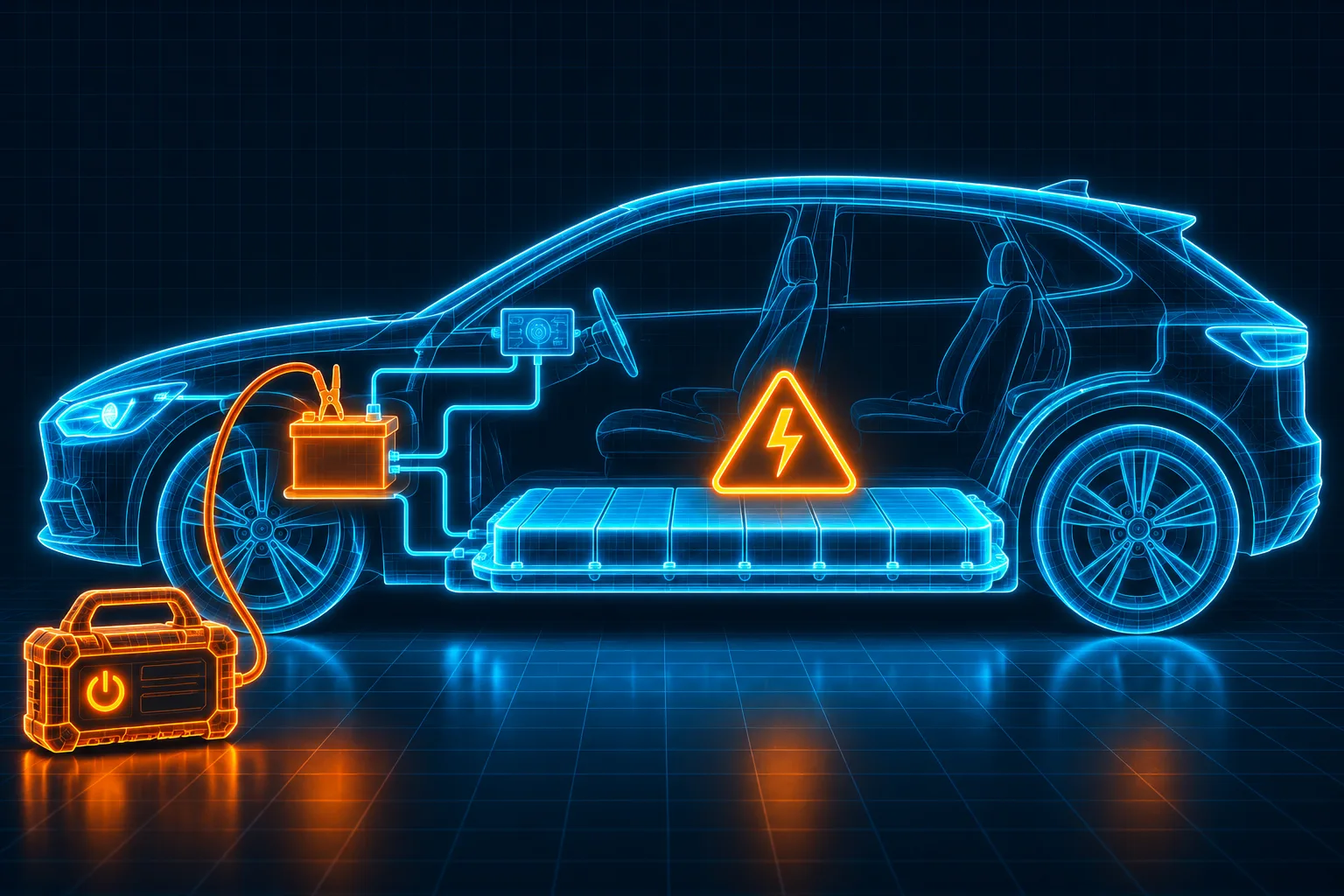
Jump Starting a Hybrid or Electric Vehicle
Two batteries, what the 12 volt battery does and why the manual decides.